


Fenugreek Seeds: A Guide to Culinary Versatility
Fenugreek Seeds: A Guide to Culinary Versatility
How methi shows up across Indian, Ethiopian, and Yemeni cooking, what to actually watch out for, six recipes, and a buying guide.
Fenugreek seeds, known as methi in Hindi, are small golden-brown seeds from a plant native to India and the Mediterranean. They've been a fixture of South Asian, Middle Eastern, and North African kitchens for centuries, recognizable by a distinctive bitter, nutty flavor that mellows into something closer to maple syrup once toasted or cooked. This guide focuses on what fenugreek actually does in the kitchen, where the genuine safety considerations are, and a handful of recipes worth trying.
Nutrient Profile

Fenugreek seeds contain iron, magnesium, and manganese, along with a meaningful amount of fiber and protein for a spice used in small quantities. That fiber content is also what gives soaked or ground fenugreek its slightly gel-like, thickening quality in cooking.
Culinary Traditions
Indian Cuisine
A staple in curries, stews, and chutneys, and used to flavor breads like naan and paratha. Both the seeds and the fresh leaves (also called methi) show up across the cuisine.
Yemeni Cuisine
Ground fenugreek is whipped with water into hilbeh, a frothy condiment served alongside meals, one of the most distinctly fenugreek-forward dishes in any cuisine.
Ethiopian Cuisine
Known locally as abish, fenugreek is a component of berbere, the foundational spice blend used to flavor stews and soups throughout Ethiopian and Eritrean cooking.
Baked Goods & Tea
Ground fenugreek adds a subtle depth to bread and muffins, and the whole seeds can be steeped into a mild, maple-scented tea.
A Traditional Hair Treatment
Fenugreek Seed Paste
Soak 2-3 tbsp fenugreek seeds in water overnight, then grind into a paste. Apply to hair and scalp, leave 30 minutes, then rinse. A traditional pre-wash treatment passed down in many South Asian households, not a treatment for any hair or scalp condition.
Patch Test First
As with any new ingredient applied to skin or scalp, test a small amount first and stop if you notice irritation, fenugreek can cause allergic reactions in some people (see safety notes below).
Genuine Safety Notes
Fenugreek is widely used as a culinary spice and is generally considered safe in food amounts. A few things are worth knowing if you're using it more than occasionally:
Pregnancy: Fenugreek in larger-than-culinary amounts is generally advised against during pregnancy, as it may contribute to uterine contractions. It can also give a newborn's sweat or urine an unusual maple-like odor if consumed close to delivery, a real but harmless effect that's sometimes mistaken for a marker of a rare metabolic disorder, so it's worth being aware of rather than alarmed by.
Blood sugar and medication interactions: Fenugreek can lower blood sugar, which matters if you have diabetes or hypoglycemia or take blood-thinning medication, diabetes medication, or birth control, since fenugreek may interact with any of these. Talk to your healthcare provider before using fenugreek beyond normal cooking amounts if any of this applies to you.
Other considerations: Large amounts can cause gastrointestinal upset (gas, bloating, diarrhea). Allergic reactions are possible, especially in people with peanut or chickpea allergies, since fenugreek is a legume. It may also have hormonal effects worth discussing with a doctor if you have a hormone-sensitive condition.
Fenugreek Powder

Fenugreek powder is ground from the whole seeds and carries the same bitter, aromatic profile in a more convenient form for spice blends, curries, chutneys, and stews, or as a flavoring in tea. A little goes a long way, so use it sparingly. Store it in an airtight container in a cool, dark place to keep it from losing potency.
6 Fenugreek Recipes
From savory curries to a sweet treat, here's where to start.

Methi Chicken Curry
Serves 4 · Active time: 40 minutes
Ingredients
- 1 lb boneless chicken, bite-sized pieces
- 1 onion, chopped
- 2 tomatoes, chopped
- 2 garlic cloves, minced
- 1 tbsp ginger, grated
- 1 tsp cumin seeds
- 1 tsp coriander powder
- 1 tsp turmeric powder
- 1 tsp red chili powder
- 1 tbsp fenugreek seeds
- Salt to taste · 2 tbsp oil · water as needed
Directions
- Heat oil, add cumin seeds and let them sizzle.
- Add onion, sauté until translucent, then garlic and ginger for a few minutes.
- Add tomatoes, cook until mushy.
- Add chicken, brown on all sides.
- Stir in coriander, turmeric, chili powder, fenugreek seeds, and salt.
- Add water to cover, bring to a boil, then reduce heat and simmer 20-25 minutes.
- Serve hot with rice or bread.

Methi Paratha
Serves 4 · Active time: 30 minutes
Ingredients
- 2 cups whole wheat flour
- 1/2 cup fresh fenugreek leaves, chopped
- 1/2 tsp cumin seeds
- Salt to taste
- Water as needed · oil for frying
Directions
- Combine flour, fenugreek leaves, cumin seeds, and salt.
- Gradually add water, knead until smooth.
- Cover with a damp cloth, rest 15-20 minutes.
- Divide into balls, roll each to about 1/4 inch thick.
- Cook on a hot griddle until browned on both sides.
- Brush with oil, serve hot with yogurt, chutney, or pickle.
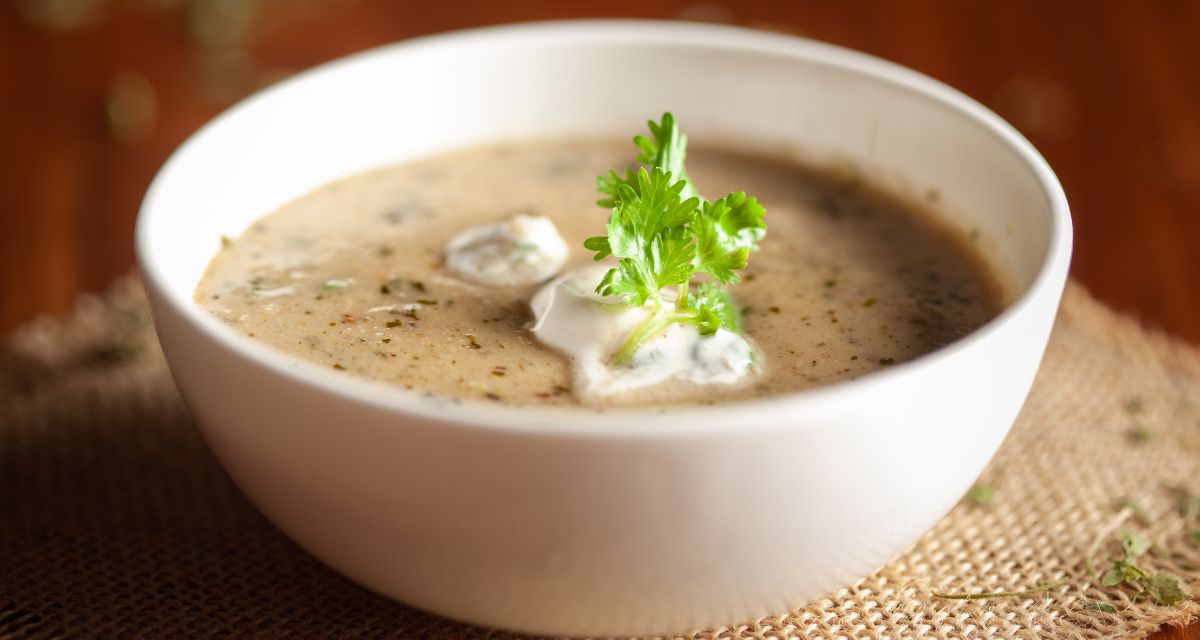
Methi Matar Malai
Serves 3-4 · Active time: 30 minutes
Ingredients
- 1 onion, chopped
- 1 tomato, chopped
- 1 tsp cumin seeds
- 1 tsp coriander powder
- 1 tsp turmeric powder
- 1 tsp red chili powder
- 1 tbsp fenugreek seeds
- 1 cup peas
- 1/2 cup heavy cream
- Salt to taste · 2 tbsp oil · water as needed
Directions
- Heat oil, add cumin seeds, then onion until translucent.
- Add tomatoes, cook until mushy.
- Stir in coriander, turmeric, chili powder, fenugreek seeds, salt.
- Add peas and enough water to cover, bring to a boil.
- Reduce heat, simmer 10-15 minutes until peas are tender.
- Stir in cream, simmer a few more minutes, serve hot.

Fenugreek Seed Powder Laddoos
Makes ~12 · Active time: 25 minutes
Ingredients
- 1 cup fenugreek seed powder
- 1 cup jaggery, grated
- 1/4 cup ghee
- 1/4 cup chopped nuts (optional)
- 1/4 tsp cardamom powder
Directions
- Heat ghee, add fenugreek seed powder.
- Roast on low heat 10-15 minutes until aromatic and golden.
- Add jaggery, nuts, and cardamom powder, mix well.
- Cool slightly, shape into balls.
- Store in an airtight container at room temperature for up to a week.

Fenugreek Tea
Serves 1 · Active time: 15 minutes
Ingredients
- 1 tsp fenugreek seeds
- 1 cup hot water
- Honey or lemon to taste (optional)
Directions
- Add fenugreek seeds to a teapot or infuser.
- Pour hot water over, steep 10-15 minutes.
- Strain, sweeten with honey or lemon if desired.
- Serve hot.

Fenugreek Seed Sprouts Salad
Serves 2 · Active time: 15 minutes, plus 3-4 days sprouting
Ingredients
- 1/2 cup fenugreek seeds
- 1/2 cup chopped cucumber
- 1/2 cup chopped tomato
- 1/2 cup chopped onion
- 1/4 cup chopped cilantro
- Salt, pepper, lemon juice to taste
Directions
- Soak fenugreek seeds in water overnight.
- Drain, transfer to a clean jar, cover with a mesh cloth.
- Let sit in a dark place 2-3 days, rinsing with fresh water twice daily.
- Once sprouted, rinse a final time.
- Toss with cucumber, tomato, onion, and cilantro.
- Season with salt, pepper, and lemon juice, serve chilled.
Shop Organic Fenugreek
Non-GMO · Packed Fresh in McKinney, TexasWhere to Buy Fenugreek Seeds
Spicy Organic fenugreek seeds and powder are available directly at SpicyOrganic.com, as well as through our Amazon storefront and Walmart. When buying fenugreek anywhere, check that the seeds are uniformly golden-brown with no musty smell, and look for USDA Organic and Non-GMO certifications if sourcing matters to you.

