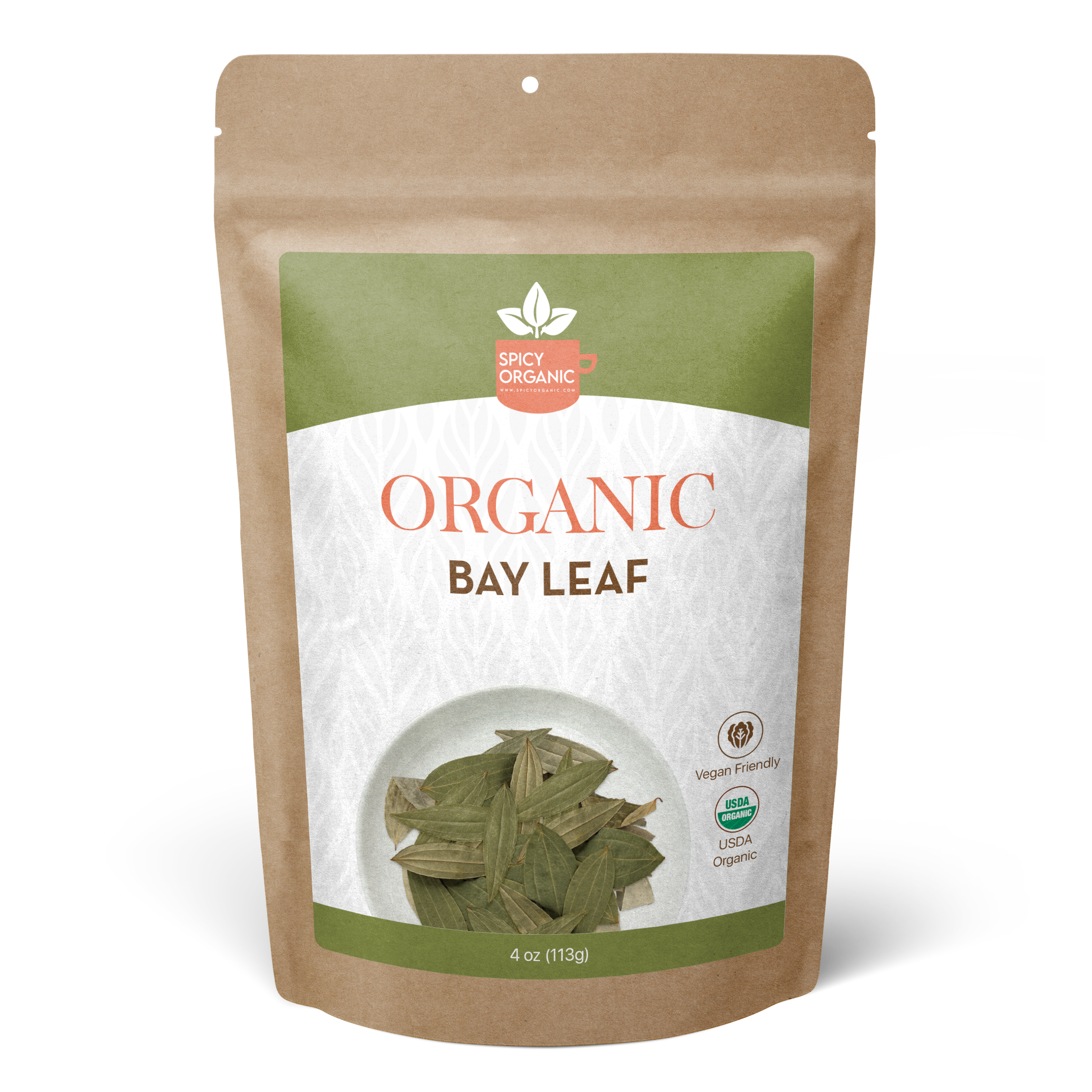
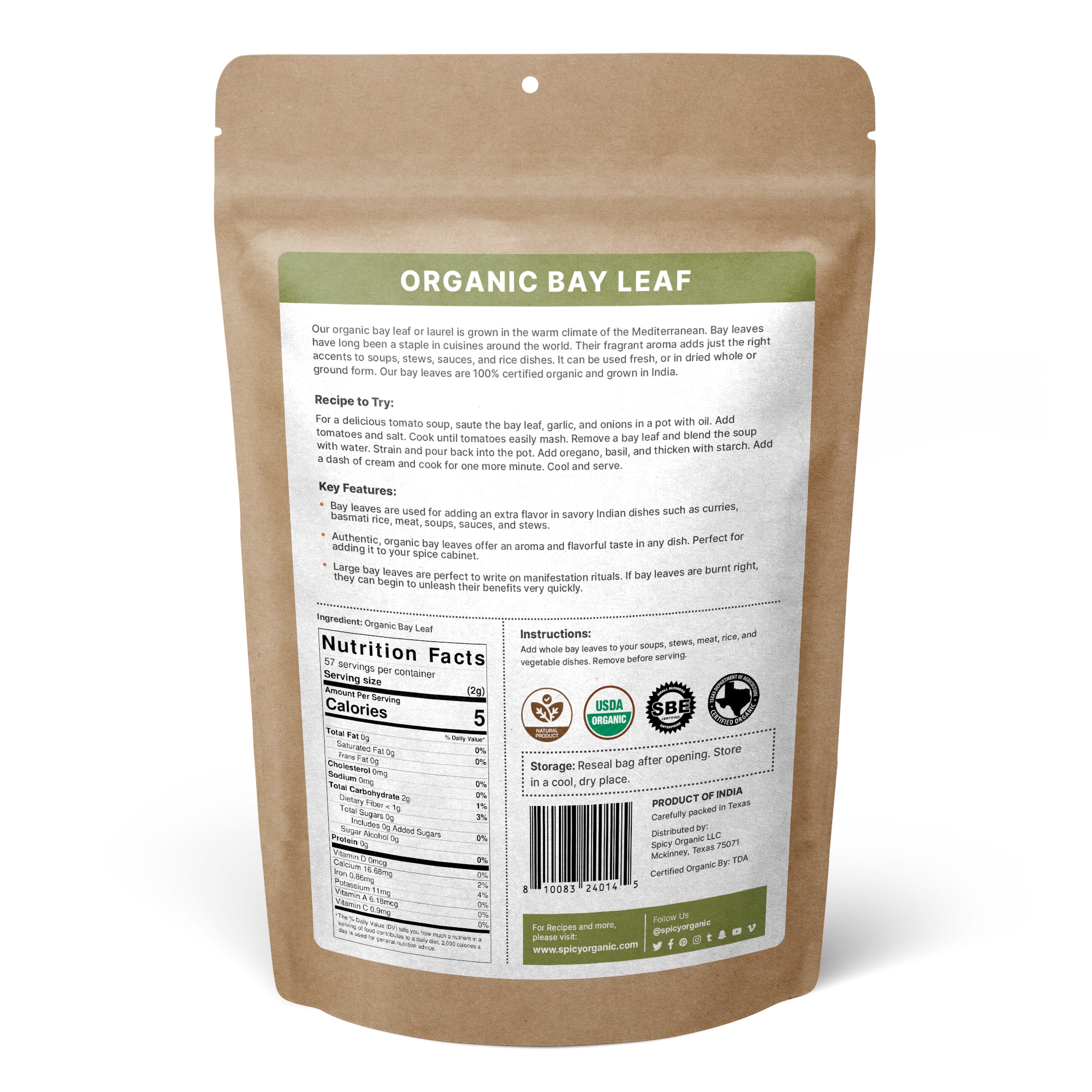
$8.98

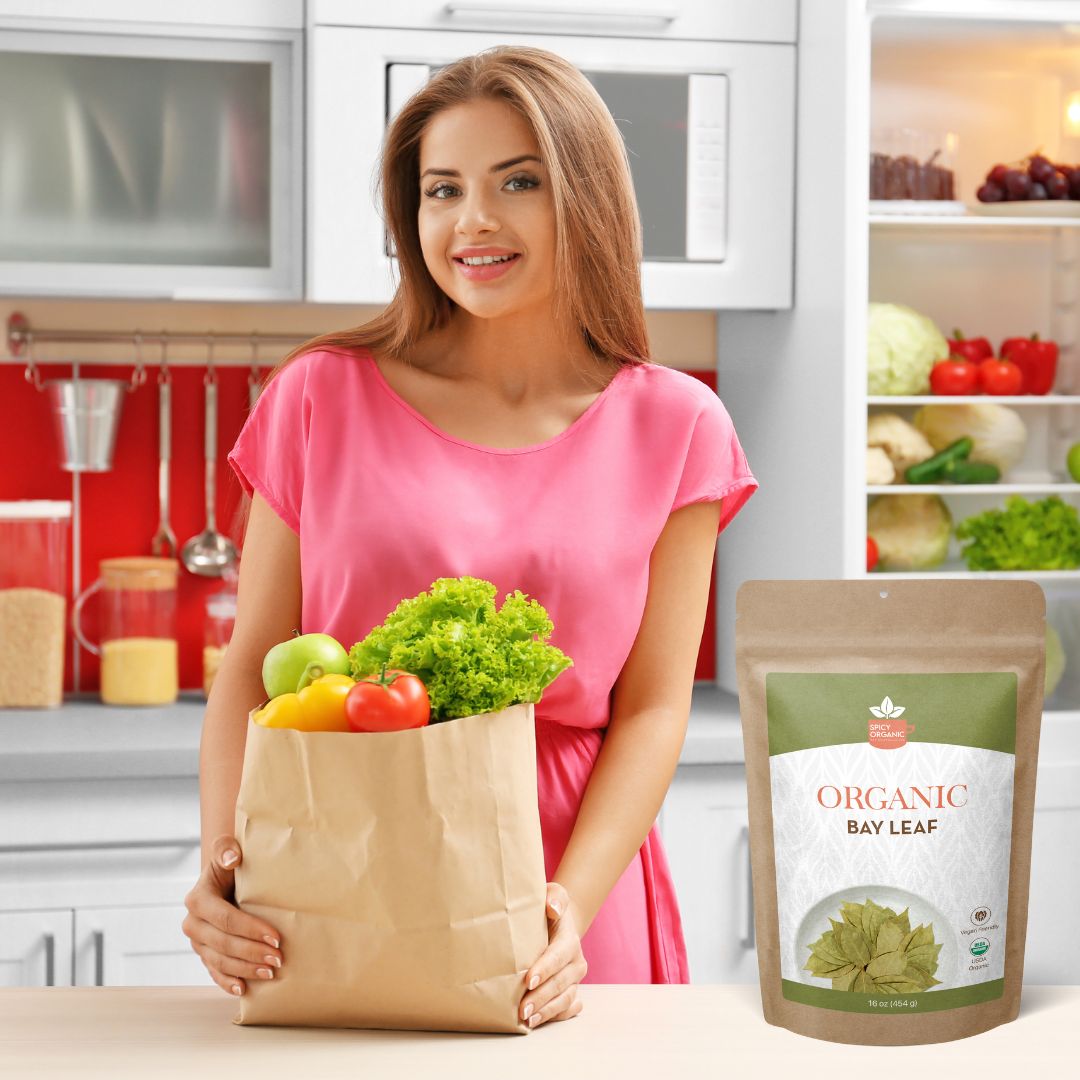
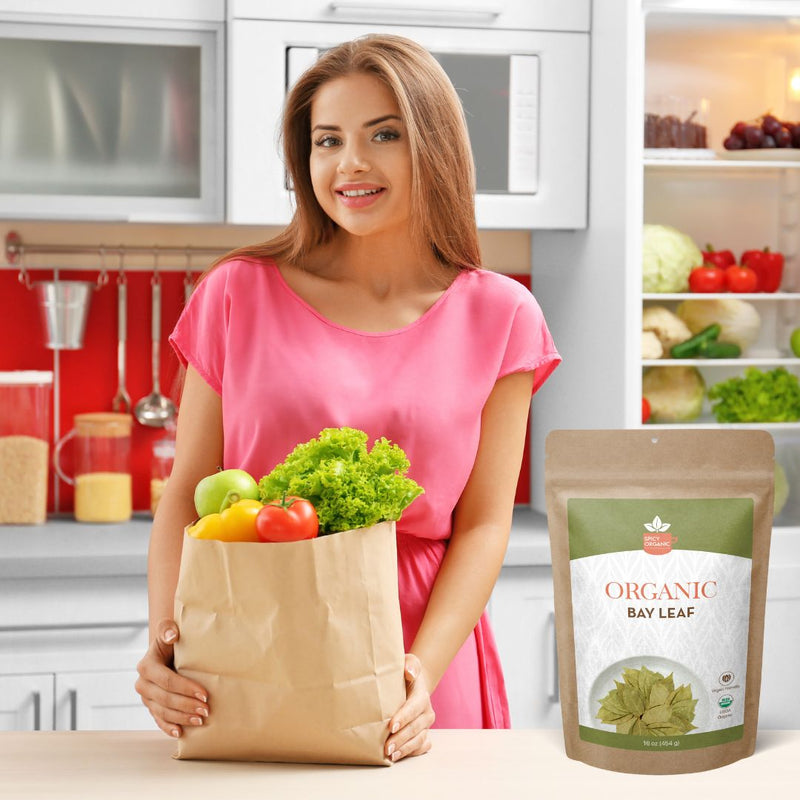
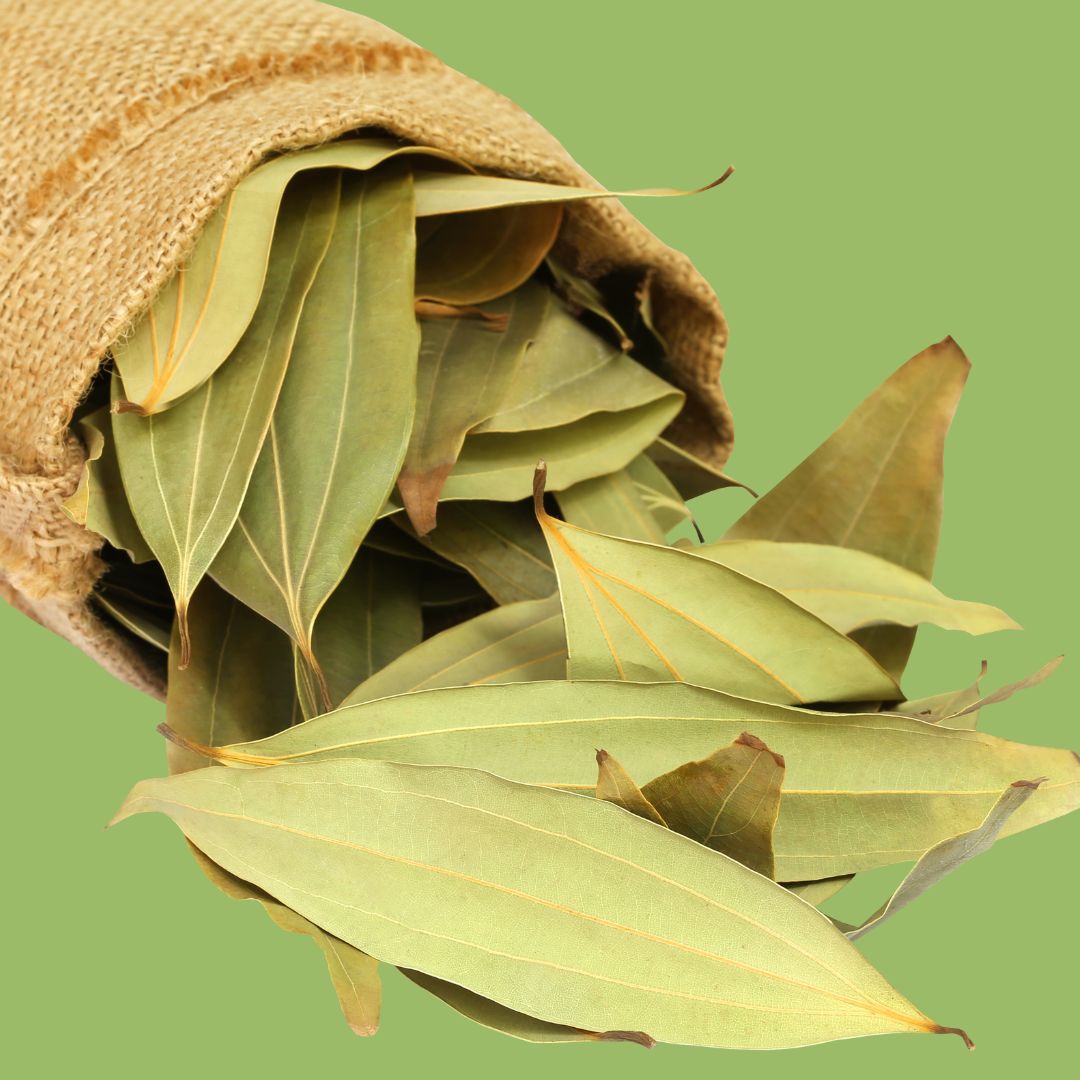
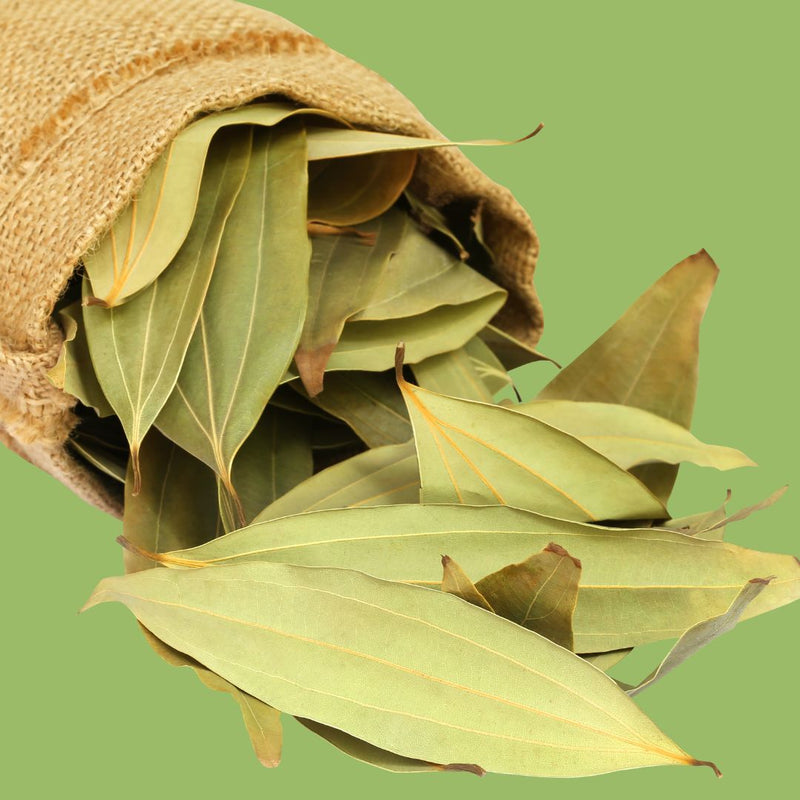
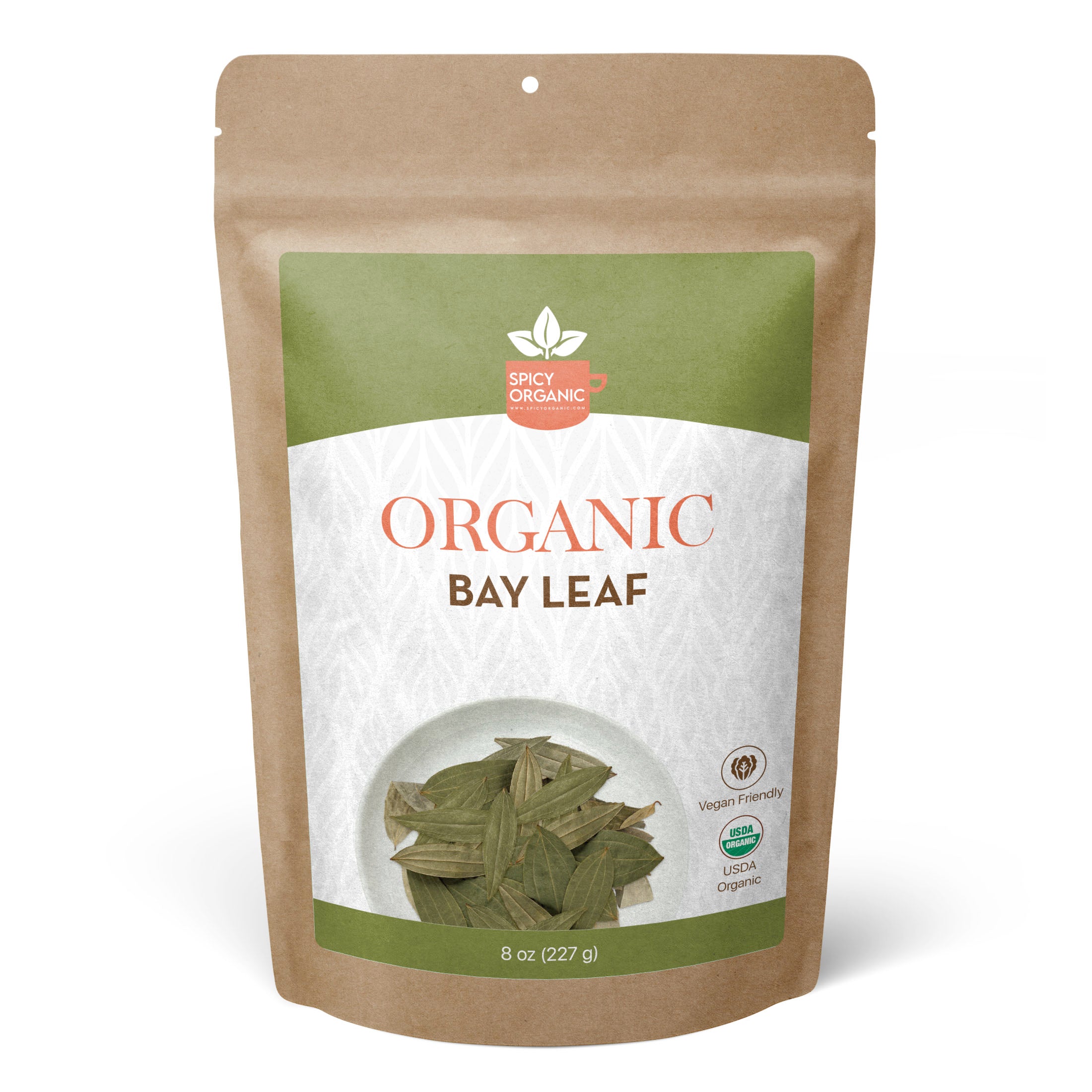
Organic Dried Bay Leaves from Spicy Organic are whole dried leaves of Laurus nobilis — the true laurel tree whose leaves have been used to flavor food for thousands of years, from ancient Greek and Roman kitchens to modern French and Indian cooking. Hand-picked at peak maturity and carefully dried to preserve their complex herbal aroma, our bay leaves bring the essential background warmth, subtle bitterness, and herbal depth that transforms a simple broth into something deeply satisfying. Sourced from certified organic farms in India. USDA Certified Organic, Non-GMO, and gluten-free.

✓ USDA Certified Organic  |  ✓ Non-GMO  |  ✓ Gluten-Free  |  ✓ Vegan  |  ✓ Whole Dried Leaves  |  ✓ Sourced from India

What are bay leaves — and why do you remove them before serving?

Bay leaves (Laurus nobilis) are the dried leaves of the sweet bay laurel tree. They are one of the foundational herbs of European, Middle Eastern, and Indian cooking — used whole in virtually every slow-cooked dish to build a complex herbal base that no other single ingredient can replicate. Their flavor is difficult to describe precisely: warm, slightly floral, mildly minty and clove-like, with a subtle bitterness and eucalyptus edge. At low heat over time, they release these compounds slowly and integrate completely into broths, stews, and braising liquids.

Why remove before serving: Bay leaves do not soften meaningfully during cooking — they remain stiff and leathery even after hours of simmering. The edges are slightly sharp and the texture is unpleasant to bite into. More importantly, chewing a bay leaf concentrates the bitter, terpene-heavy compounds in an unpleasant way. They are flavor tools, not eating ingredients — always remove before serving, exactly as you would remove a cinnamon stick or a whole clove.

Fresh vs. dried bay leaves — an honest comparison

  • Dried bay leaves (this product) are actually preferred over fresh for most cooking applications — they have a more concentrated, complex herbal character because the drying process breaks down cell walls and allows the essential oils to develop more fully. The compounds in dried bay leaves meld into dishes more completely during long cooking than fresh.
  • Fresh bay leaves have a brighter, more herbal, slightly more medicinal aroma and are more intensely flavored — better for quick dishes where you want the bay flavor to remain more prominent and distinct.
  • Quantity adjustment: 1 dried bay leaf = approximately 2 fresh bay leaves in flavor contribution for most slow-cooked applications.

How many bay leaves to use — a practical quantity guide

Bay leaves are potent — more is not always better. Too many creates an overpowering bitter, medicinal quality:

  • Soups and stews (serves 4–6): 2–3 bay leaves for the entire pot
  • Stocks and broths (1 gallon): 3–4 bay leaves simmered throughout the full cooking time
  • Braised meats (2–3 lbs): 2–3 bay leaves in the braising liquid
  • Rice (serves 4): 1–2 bay leaves in the cooking water
  • Pickling brine (per quart jar): 1–2 bay leaves
  • Pasta sauce (serves 4): 1–2 bay leaves simmered in the sauce, removed before serving
  • Slow cooker dishes: 2–3 bay leaves — the long cooking time allows full flavor extraction

Always remove all bay leaves before serving. Count them as you add them so none are accidentally left in the dish.

Culinary uses — where bay leaves are essential

Soups, stews, and broths:

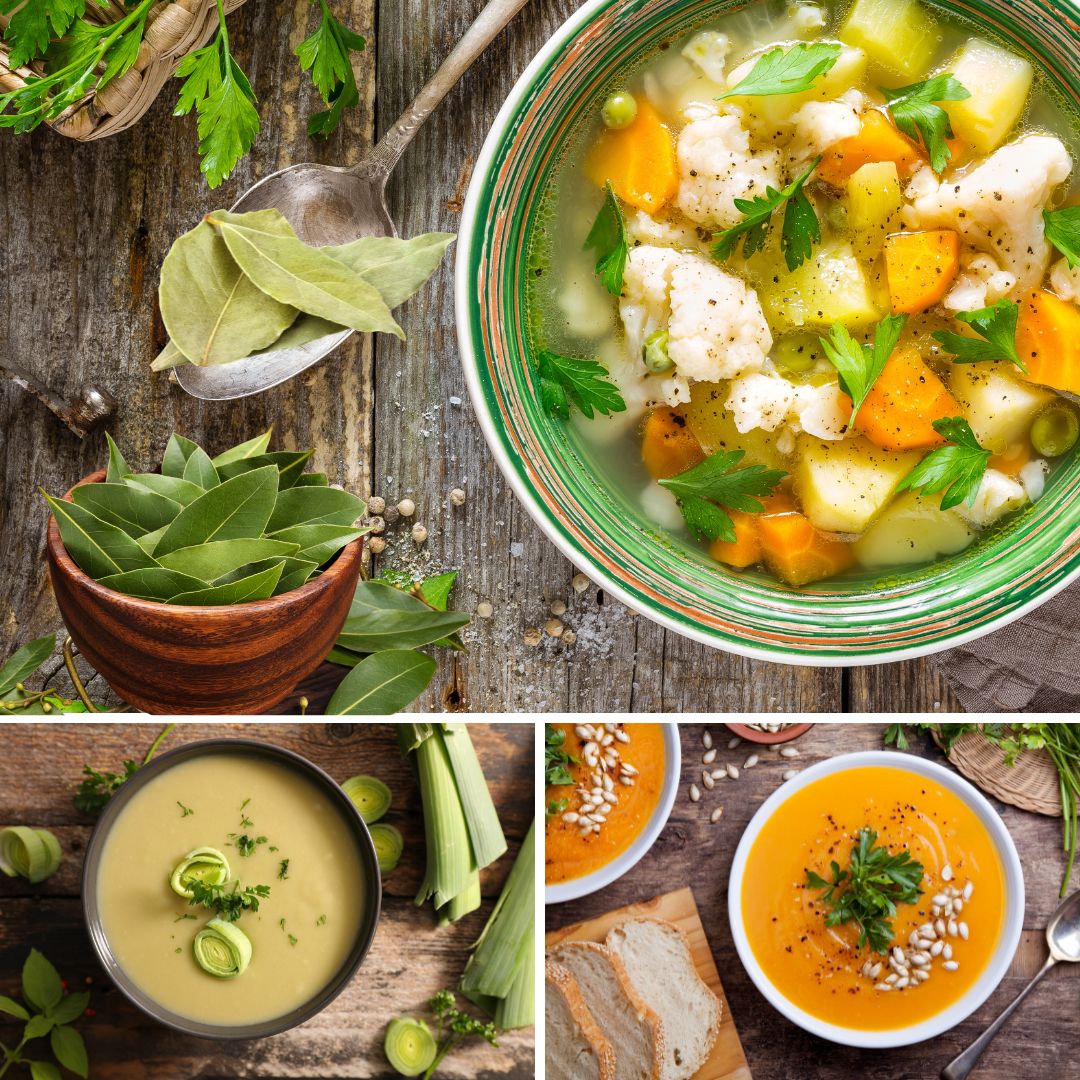
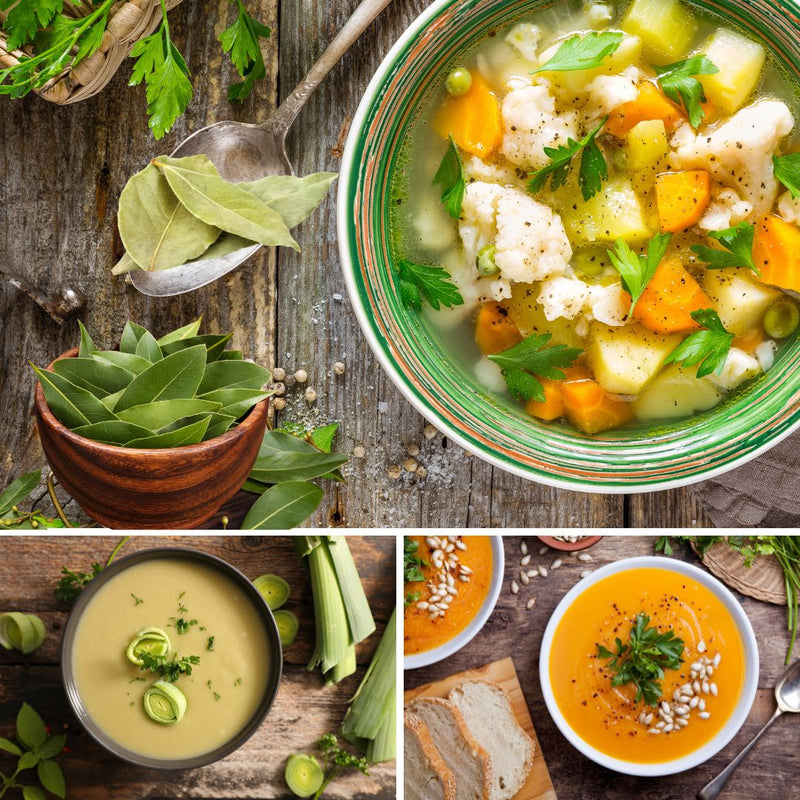
  • Chicken broth and bone broth: Bay leaves are non-negotiable in a good broth — add 3–4 leaves with peppercorns, onion, and carrot from the start of cooking. They build the herbal backbone that makes homemade broth taste unmistakably better than store-bought.
  • Minestrone and vegetable soup: Add 2 bay leaves with the initial soffritto — they integrate beautifully with tomato, beans, and vegetables over long cooking.
  • French onion soup: Bay leaf is part of the classic bouquet garni alongside thyme and parsley — simmer in the onion base throughout cooking.
  • Lentil and dal soup: Add 2 bay leaves to dal as it simmers — a traditional Indian and Mediterranean addition that adds depth to legume-based soups.

Braised meats and slow-cooked dishes:

  • Beef stew and pot roast: Add 2–3 bay leaves to the braising liquid alongside thyme, peppercorns, and allspice. Bay leaves are as essential to beef stew as the beef itself — they provide the herbal background that makes the dish taste complete rather than one-dimensional.
  • Lamb braise: Bay leaves pair naturally with lamb — add 3 leaves to the braising liquid alongside rosemary, garlic, and red wine.
  • Pulled pork: Add 3 bay leaves to the slow cooker alongside cumin, garlic, and orange juice for Mexican-style carnitas.
  • Indian biryani: Bay leaves (tej patta) are part of the whole spice tempering in biryani alongside cinnamon, cardamom, and cloves — add 2–3 to hot ghee at the start of cooking and remove before serving the finished dish.

Rice and grain dishes:

  • Pilaf and biryani rice: Add 1–2 bay leaves to the cooking water or initial ghee tempering. Bay leaves infuse the rice with a subtle herbal warmth that makes plain rice significantly more interesting.
  • Risotto base: Add 1 bay leaf to the stock you use for risotto — it infuses the liquid and the flavor carries through to the finished dish.

Pickling and preserves:

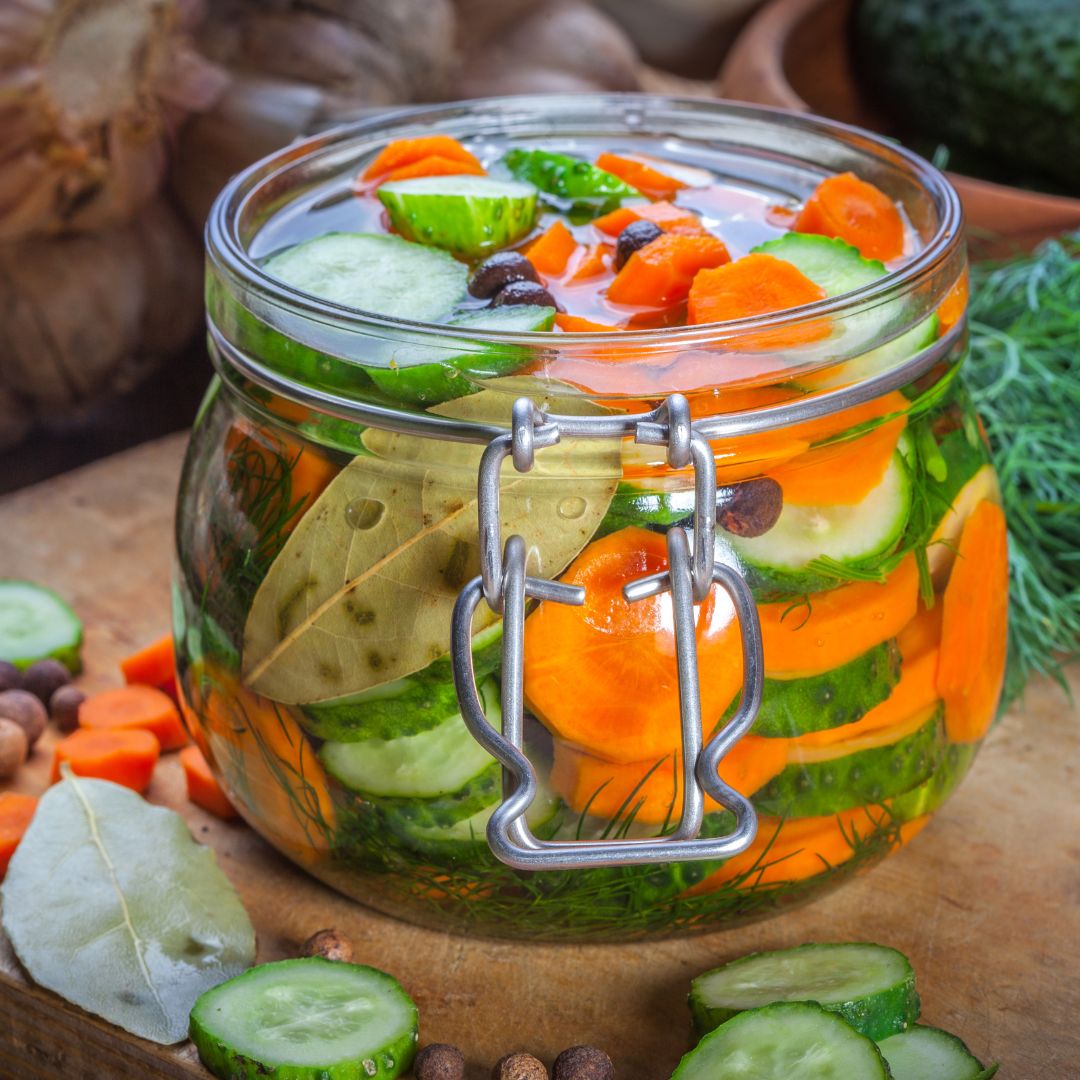
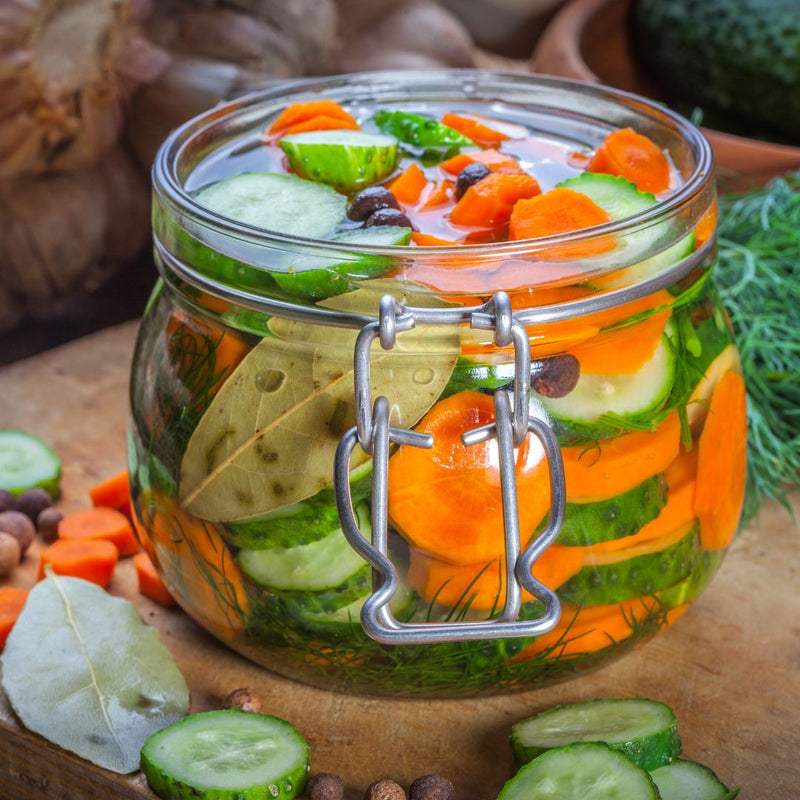
  • Vegetable pickles: Add 1–2 bay leaves per quart jar in pickling brines for cucumbers, beets, carrots, and cauliflower. Bay leaves add herbal complexity and are traditional in European-style pickles.
  • Corned beef brine: Bay leaves are part of the classic pickling spice blend for corned beef — typically 3–4 leaves per gallon of brine alongside peppercorns, allspice, and mustard seeds.

Sauces and pasta:

  • Tomato sauce and ragù: Simmer 2 bay leaves in any long-cooked tomato sauce — remove before serving. The bay leaf adds a background note that rounds and deepens tomato's natural acidity.
  • Béchamel: Add 1 bay leaf to the warm milk before making the roux — infuse 5 minutes, remove, then make the sauce. A classic French technique that adds subtle complexity.

How to tell if your bay leaves are still potent

Bay leaves lose their essential oils over time — old bay leaves contribute little to no flavor and are essentially inert. The freshness test is simple: crush a dried leaf between your fingers and smell it immediately. Fresh, potent bay leaves release a distinct herbal aroma — warm, slightly minty, with a clove-like and eucalyptus edge. If the crushed leaf smells like nothing or like old paper, the leaves have lost their essential oils and should be replaced. Properly stored bay leaves retain good potency for 1–2 years.

Sourced from India

India is one of the world's significant producers of Laurus nobilis bay leaves, with cultivation concentrated in the southern and western states where the climate supports the sweet bay laurel. Our bay leaves are sourced from USDA Certified Organic farms in India — hand-picked at peak maturity when essential oil content is highest, then carefully dried to preserve their herbal aroma before packaging.

Why Spicy Organic bay leaves

  • USDA Certified Organic, every batch: Cert #0847519, Texas Department of Agriculture. No synthetic pesticides or fertilizers.
  • Whole dried leaves: Full intact leaves — not crumbled or broken — preserve essential oils better and are easier to remove before serving.
  • Hand-picked at peak maturity: Harvested when essential oil content is highest for maximum flavor contribution per leaf.
  • Non-GMO and gluten-free: 100% pure dried bay leaves — no additives or coatings.
  • Resealable stand-up pouch: Airtight seal slows essential oil dissipation — the primary cause of flavor loss in dried herbs.
  • Packed fresh in McKinney, Texas.

Available sizes and companion spices

Choose your size:

  • 1 oz — ideal for occasional use (bay leaves are used 2–3 per dish — a little goes a long way)
  • 2 oz — for regular home cooks and batch broth makers
  • 4 oz — best value for heavy users and restaurants

Bay leaves are almost always used alongside:

Need bulk quantities? Visit our wholesale page for 5 lb to 44 lb pricing.

Storage and shelf life

Store in a cool, dry place away from heat, light, and moisture. Keep the resealable pouch tightly sealed — dried bay leaves lose their essential oils gradually through air exposure, which is the primary cause of flavor loss. Whole dried bay leaves retain good potency for 1–2 years when properly stored. The freshness test: crush a leaf and smell it immediately — strong herbal aroma means potent; no smell means replace. Do not store near the stove where heat and steam accelerate essential oil loss.

Product details

  • Botanical name: Laurus nobilis
  • Common names: Bay leaves, bay laurel, tej patta (Hindi), sweet bay
  • Origin: India
  • Form: Whole dried leaves
  • Color: Olive green to grey-green
  • Flavor profile: Warm, herbal, mildly bitter — clove-like with minty and eucalyptus notes
  • Use: Add whole during cooking, remove before serving
  • Certifications: USDA Organic (Cert #0847519), Non-GMO, Gluten-Free, Vegan
  • Packaging: Resealable stand-up pouch
  • Available sizes: 1 oz, 2 oz, 4 oz
  • Certifying body: Texas Department of Agriculture
  • Packed in: McKinney, Texas, USA
  • Shelf life: 1–2 years, properly stored

Frequently asked questions

Why do you remove bay leaves before serving?
Bay leaves do not soften during cooking — they remain stiff, leathery, and unpleasant to eat even after hours of simmering. The edges are slightly sharp and chewing a whole bay leaf concentrates bitter terpene compounds in an unpleasant way. They are flavor tools — added during cooking to infuse the dish, then removed before the food reaches the table. Count how many you add so none are accidentally left in the finished dish.

How many bay leaves should I use per dish?
For soups and stews serving 4–6: 2–3 bay leaves. For stocks and broths (1 gallon): 3–4 leaves. For braised meats (2–3 lbs): 2–3 leaves. For rice (serves 4): 1–2 leaves. For pickling brine (per quart): 1–2 leaves. More than 3–4 bay leaves in a standard dish creates an overpowering bitter, medicinal quality — use restraint.

Are dried bay leaves better than fresh?
For most slow-cooked applications, yes. Drying develops and concentrates the complex essential oils in bay leaves — dried bay leaves integrate more completely into broths and stews over long cooking than fresh. Fresh bay leaves have a brighter, more prominent flavor better suited to quick dishes. Use 1 dried bay leaf for every 2 fresh leaves called for.

How do I know if my bay leaves are still good?
Crush a leaf between your fingers and smell immediately — potent bay leaves release a distinct herbal aroma (warm, clove-like, with minty and eucalyptus notes). If the crushed leaf smells like nothing or like old paper, the essential oils have dissipated and the leaves are no longer contributing meaningful flavor to your cooking. Time to replace. Properly stored, bay leaves last 1–2 years.

Can bay leaves be used in Indian cooking?
Yes — bay leaves (called tej patta in Hindi) are used in Indian cooking, particularly in the whole spice tempering (baghar or tadka) for biryani, pulao, and some dals. They are added to hot ghee alongside cinnamon, cardamom, and cloves at the beginning of cooking and removed before the final dish is served. Note that Indian tej patta traditionally refers to the Indian bay leaf (Cinnamomum tamala) which is a different species — but Laurus nobilis bay leaves work well as a substitute in Indian recipes.

Is Spicy Organic bay leaves USDA certified organic?
Yes. Our Organic Bay Leaves are USDA Certified Organic under Regulations 7 CFR Part 205, Certificate Number 0847519, issued by the Texas Department of Agriculture. Sourced from certified organic farms in India. Non-GMO, gluten-free, vegan, and 100% pure whole dried bay leaves with no additives or coatings.

SKU:SO-BAY-1OZ
Premium Organic Bay Leaves - Hand-Picked, Sun-Dried, Non-GMO, and USDA Certified- Perfect for Cooking and Infusing Flavor
$8.98

Customer Reviews

Based on 108 reviews
92%
(99)
7%
(8)
0%
(0)
1%
(1)
0%
(0)
M
Masters-Lifestyles
great item and works well

great item and works well

p
peaeye
PERFECT!

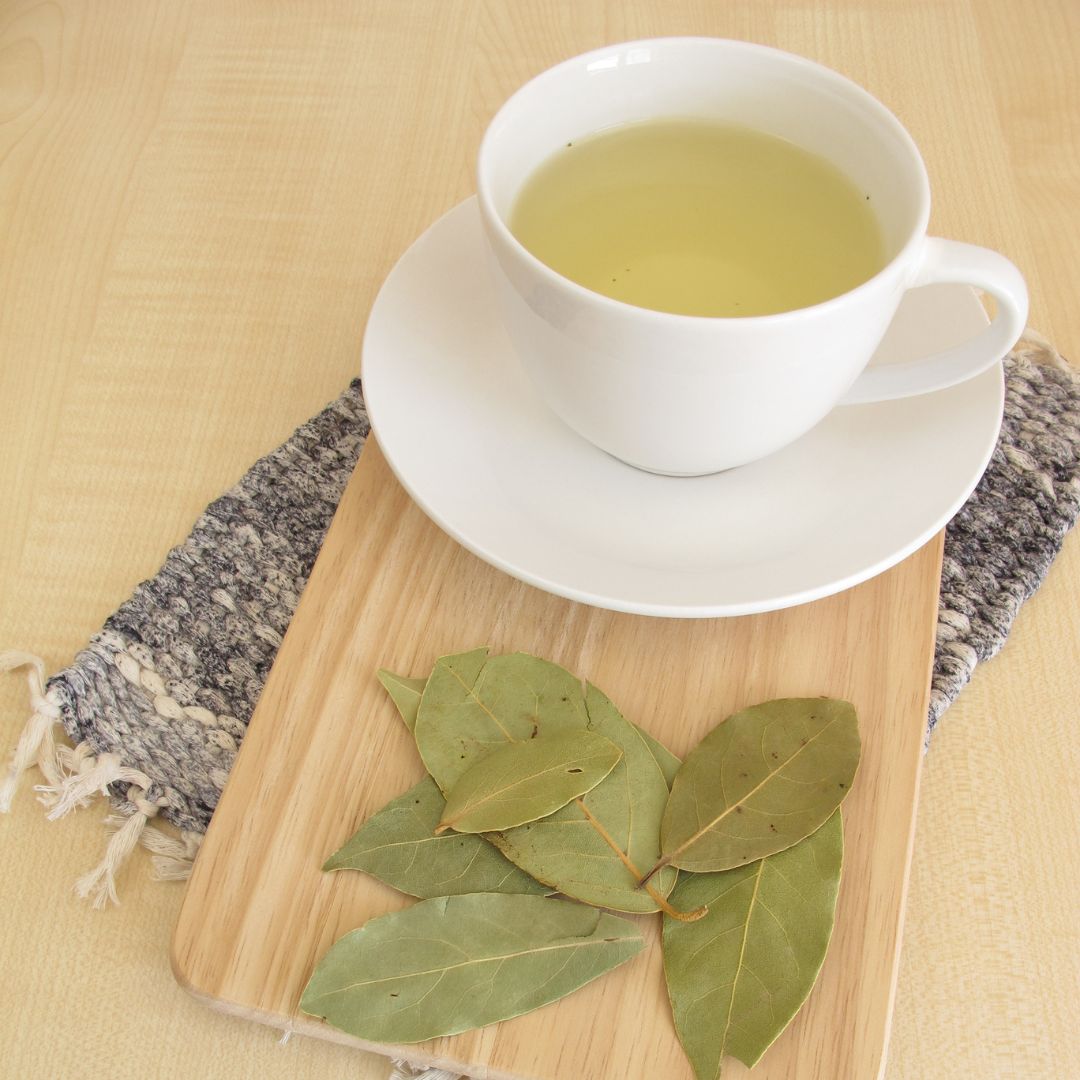
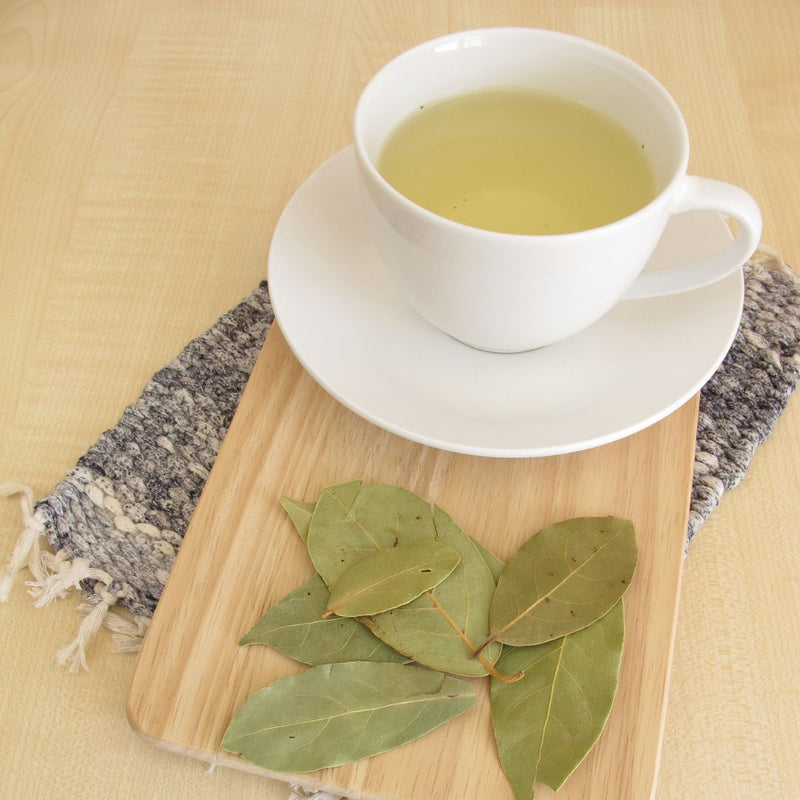
First time buying Bay Leaves from this Co. & they are.......Magnificent!!!Open the bag & the smell unexpectedly engulfs you with a beautiful aroma.A simple leaf tea will give all the flavour you need.Huge leaves, & tonnes of them! I use them in everything I possibly can.No need to go anywhere else for them. Perfect!

L
Lorri Wilson
Great

So many uses for them

a
angler822
Bay 🍃

This is a great deal. The quality of the bay leaves were excellent. They are full of aroma and whole leaves. Would buy again.

B
Bridget K
Nice size leaves

Such big leaves!

You may also like