


Unleashing the Power of Cinnamon Sticks
Unleashing the Power of Cinnamon Sticks
How to use them in the kitchen and around the home, Ceylon vs. cassia, genuine safety notes, and three recipes.
Cinnamon sticks, also called cinnamon quills, are the dried, rolled inner bark of the cinnamon tree, typically 3-4 inches long with a deep, warm, sweet aroma. They show up in everything from spiced tea to mulled wine, and they hold their flavor longer than ground cinnamon since the intact bark protects the aromatic oils inside.
Culinary Uses
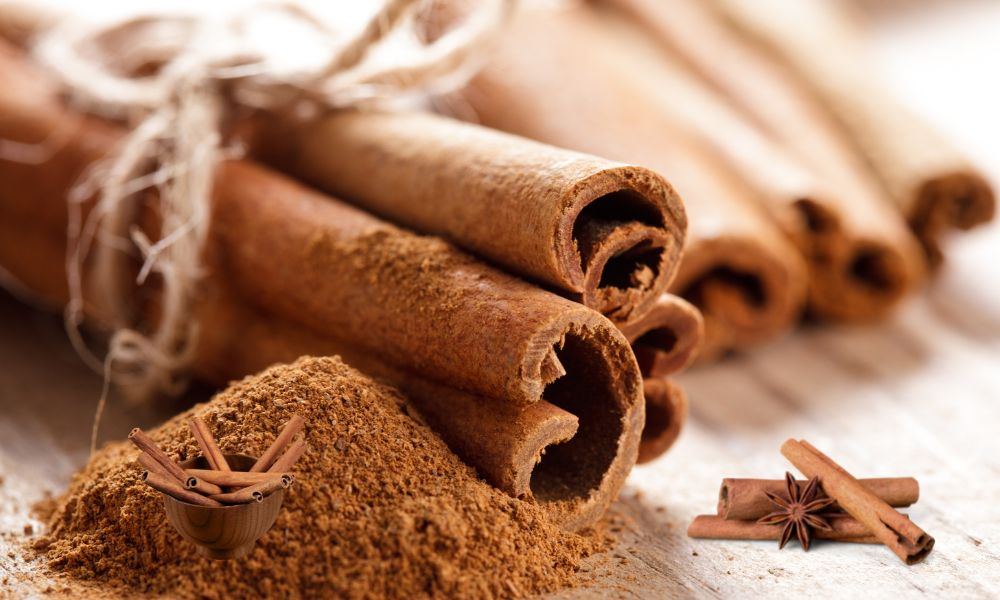
Cooking: add to stews, soups, curries, and braises, or grind into homemade spice blends like pumpkin spice, apple pie spice, and chai spice.
Tea and infusions: simmer in water for a warming tea, or add to chai or mulled wine for depth.
Baking: use whole in syrups and poaching liquids, or grind fresh for cakes, cookies, and breads.
Homemade cinnamon sugar: grind a few sticks in a coffee grinder and mix with granulated sugar for baking, coffee, or toast.
Around the Home
Fragrance
A few sticks in a sachet keep a closet smelling fresh, and they're a classic addition to potpourri or a stovetop simmer pot with citrus and cloves.
DIY Crafts
A staple in wreaths, garlands, and holiday ornaments, both for the look and the scent.
Cleaning Sprays
Add a stick or two to a homemade all-purpose spray for a pleasant scent.
Campfire Kindling
Cinnamon sticks burn easily and add a pleasant aroma to campfire smoke.
Cinnamon sticks are sometimes tucked near doorways or windowsills as a traditional pest deterrent. The evidence here is mixed: concentrated cinnamon essential oil has shown real repellent effects against some insects in lab studies, but at least one controlled study found that ground cinnamon itself showed no measurable repellency, since whole sticks and powder release far less of the active compound than the oil does. Treat it as a pleasant-smelling folk practice rather than reliable pest control.
Cinnamon Honey Face Mask
Mix cinnamon powder with honey, apply, rinse after 10-15 minutes. A traditional DIY mask, not a treatment for any skin condition.
Cinnamon Sugar Scrub
Mix cinnamon powder with sugar and coconut oil for a fragrant, gentle body scrub.
Ceylon vs. Cassia

Ceylon ("True Cinnamon")
Light brown, delicate and sweet, grown mainly in Sri Lanka and southern India. More expensive, and contains only trace amounts of coumarin (see safety notes below).
Cassia
Dark reddish-brown, bolder and stronger-flavored, grown in China, Indonesia, and Vietnam. The most common type sold worldwide, and the one most grocery-store "cinnamon" actually is.
Both work in most recipes, it comes down to preference and how strong a flavor you want. If you use cinnamon heavily and daily, the coumarin difference below is worth knowing.
Safety Notes
Cinnamon is widely used as a culinary spice and is safe in normal cooking amounts. A few things worth knowing if you use it heavily:
Coumarin and liver health: cassia cinnamon, the common grocery-store type, contains meaningfully more coumarin than Ceylon cinnamon, a compound that German and EU food safety authorities have linked to liver effects at sustained high daily intakes (the tolerable daily intake is about 0.1mg coumarin per kg of body weight). This matters mainly for people who consume large amounts of cassia cinnamon daily, occasional culinary use isn't a concern. If you use cinnamon heavily every day, Ceylon cinnamon contains only trace coumarin and is the safer choice.
Allergies and irritation: some people are allergic to cinnamon (hives, rash, difficulty breathing). Large amounts can also irritate the mouth, tongue, or throat, or cause stomach upset.
Medication interactions: cinnamon can have a mild blood-thinning effect and may interact with blood thinners, blood pressure medication, and diabetes medication. Talk to your healthcare provider if you take any of these and use cinnamon beyond normal cooking amounts, and avoid high amounts before surgery.
3 Recipes

Cinnamon Stick Tea
Serves 4 · Active time: 20 minutes
Ingredients
- 3-4 cinnamon sticks
- 8 cups water
- Honey or lemon (optional)
Directions
- Bring water and cinnamon sticks to a boil.
- Reduce heat, simmer 10-15 minutes.
- Remove from heat, steep 5 more minutes.
- Strain, discard sticks, sweeten if desired.
- Serve warm, or chill for an iced version.
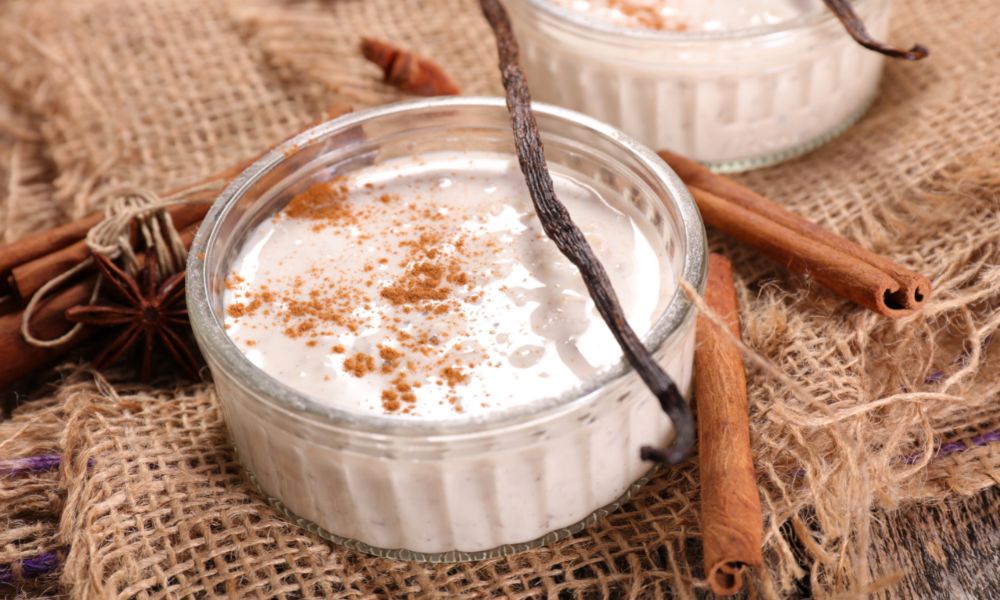
Cinnamon Stick Rice Pudding
Serves 4-6 · Active time: 30 minutes
Ingredients
- 1 cup Arborio rice
- 2 cups milk · 2 cups heavy cream
- 1/2 cup sugar
- 2 cinnamon sticks
- 1 tsp vanilla extract · pinch of salt
- Optional: raisins, nuts, honey, maple syrup
Directions
- Combine rice, milk, cream, sugar, cinnamon sticks, vanilla, and salt in a saucepan, bring to a boil.
- Reduce heat, simmer 20-25 minutes, stirring occasionally, until thick and creamy.
- Remove from heat, cool a few minutes, discard cinnamon sticks.
- Serve warm or chilled with toppings of choice.

Cinnamon Stick Mulled Wine
Serves 6-8 · Active time: 25 minutes
Ingredients
- 1 bottle red wine
- 1 cup orange juice · 1 cup apple juice
- 1/2 cup honey
- 2 cinnamon sticks
- 1 tsp whole cloves
- 1 tsp whole allspice
- 1 orange, sliced · 1 apple, sliced
Directions
- Combine wine, juices, honey, cinnamon sticks, cloves, and allspice in a saucepan.
- Add sliced orange and apple.
- Heat over medium, stirring occasionally, until simmering. Do not boil.
- Reduce heat, simmer 10-15 minutes until hot and fragrant.
- Cool briefly, strain out solids with a slotted spoon.
- Serve warm in heat-proof glasses.
Shop Organic Cinnamon
Non-GMO · Packed Fresh in McKinney, TexasStorage and Buying Guide
Store cinnamon sticks in an airtight container in a cool, dry place for up to 6 months. They hold their flavor longer than ground cinnamon since the intact bark slows oxidation. Spicy Organic cinnamon sticks and powder are available at SpicyOrganic.com, and we also carry Ceylon cinnamon sticks and Ceylon cinnamon powder if you'd rather go the lower-coumarin route for daily use.

